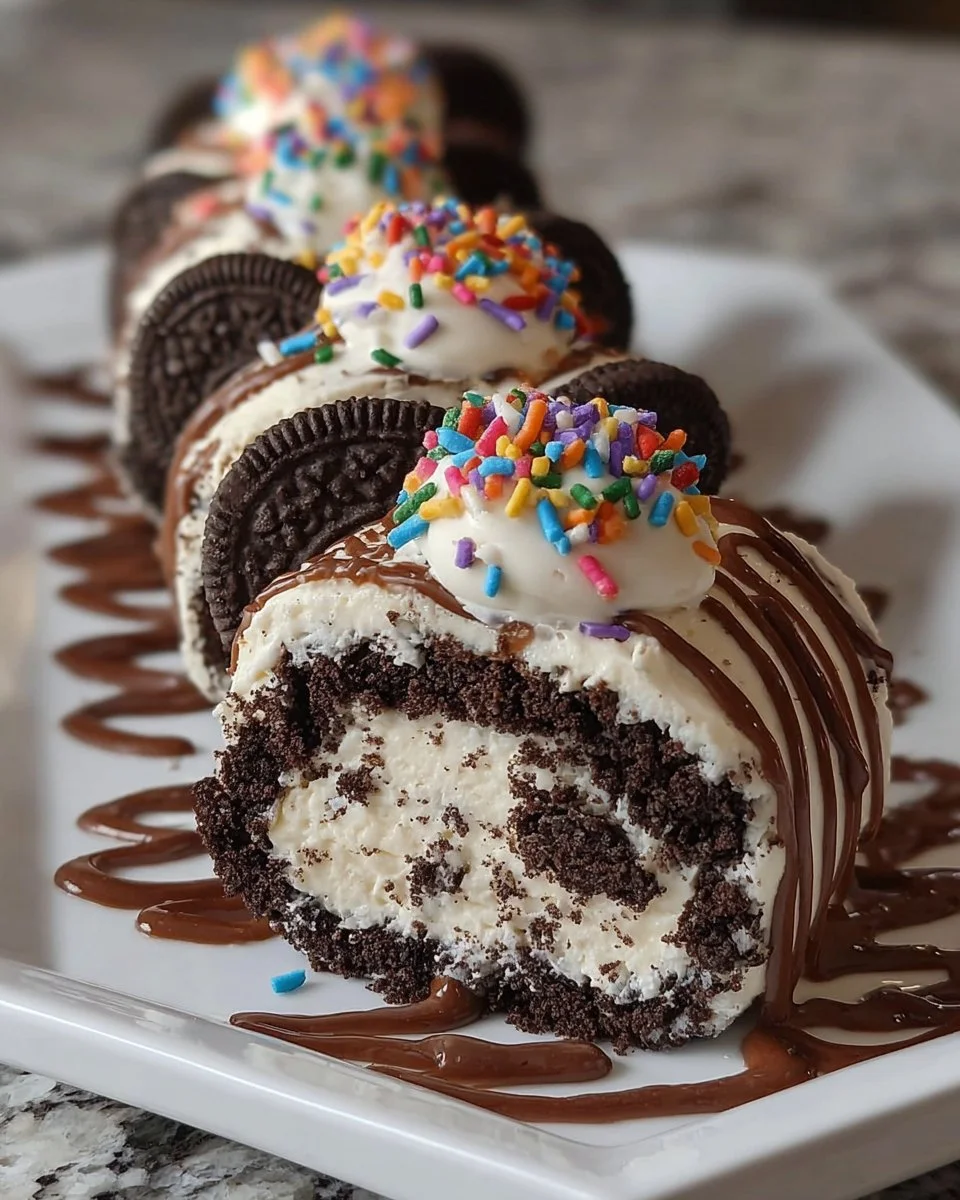
The moment you bite into a Bavarian cream donut, the world seems to pause. The exterior gives a delicate, sugar-kissed crunch that yields to pillowy, tender dough. Then the center spills a cool, silken custard—velvety, vanilla-laced, and impossibly smooth—like a little cloud of dessert surprise. Every mouthful marries warm fried bread with a lush cream that coats the tongue and beckons another taste.
These donuts carry a kind of comfort that feels celebratory. They smell faintly of browned butter and vanilla while frying, and the contrast between the crisp outer shell and the creamy core makes each bite an experience: sweet, textural, and utterly satisfying. Serve them fresh from the fryer and watch friends and family close their eyes with the first bite. If you want a festive pairing, try one alongside a rich cocktail such as the Almond Joy Christmas Cocktail for a match made in indulgent heaven.
Why You’ll Love This Bavarian Cream Donuts
This recipe combines classic pastry technique with home-kitchen comfort. The donuts balance a feather-light yeast dough with a rich, stable Bavarian cream filling—so you get both airy texture and decadent creaminess in every bite. They work as a show-stopping breakfast, a nostalgic treat for weekend brunch, or a polished dessert for dinner guests. The filling stays smooth and stable because it’s built on an egg-custard base thickened and then lightened with whipped cream, giving that luxurious mouthfeel without being overly heavy.
These donuts stand out because they deliver a contrast of temperatures and textures: warm fried dough, cool cream, and a sprinkle of sugar that adds a little sparkle. They also lend themselves to customization—think citrus zest in the cream, a drizzle of dark chocolate, or a dusting of powdered sugar—so you can tailor them to any occasion.
Preparation Phase & Tools to Use
Good tools make this process feel effortless. Gather the essentials before you start.
- Stand mixer with dough hook: Kneads the dough consistently and builds the gluten structure faster than hand kneading. If you don’t have one, plan for 10–12 minutes of vigorous hand kneading.
- Medium saucepan and heatproof bowl: You’ll cook the custard in the saucepan and strain it into the bowl to cool.
- Fine-mesh sieve: Strains the cream for silkiness, catching any cooked egg bits.
- Candy or deep-fry thermometer: Keeps your oil at a steady 350°F (180°C) so donuts fry evenly without absorbing excess oil.
- Rolling pin and round cutter (2.5–3 inches): For uniform donuts that fry and fill evenly.
- Wire rack and baking sheet lined with parchment: For proofing and draining fried donuts without soggy bottoms.
- Piping bag fitted with a plain tip or small round tip: For injecting the Bavarian cream cleanly into the donut.
Preparation tips:
- Measure flour by spooning into the cup and leveling with a knife or use a kitchen scale for accuracy.
- Warm milk to body temperature (about 100–110°F/37–43°C) to activate the yeast without killing it.
- Make the Bavarian cream a day ahead so it has time to firm up fully in the refrigerator; it tastes even better after resting.
Ingredients for Bavarian Cream Donuts
For the Bavarian Cream Filling:
- 3 egg yolks
- 1/4 cup (50g) white sugar
- 1 cup (240ml) whole milk
- 2 tablespoons cornstarch
- 1 teaspoon vanilla extract
- 1/3 stick (38g) butter
- 1 cup (240ml) heavy cream
For the Donut Dough:
- 5 cups (600g) all-purpose flour
- 1/2 cup (100g) white sugar (plus extra for coating)
- 2 packs (14g) active dry yeast (or instant yeast)
- 1 cup (240ml) whole milk
- 2 large eggs
- 2/3 stick (80g) butter, melted
- 1 teaspoon salt
- Vegetable oil, for frying
Key ingredient notes and substitutions:
- Whole milk & heavy cream: Use full-fat dairy for the most luscious cream. For a lighter filling, use 2% milk paired with 3/4 cup heavy cream, but the texture will be less rich.
- Butter: Adds richness and silkiness. Unsalted is preferred so you can control overall salt.
- Yeast: Active dry yeast works beautifully; if using instant yeast, you can skip the proofing step with warm milk and add it straight to the flour.
- Flour: All-purpose creates tender donuts. For an even lighter crumb, blend half bread flour and half all-purpose, but don’t overdo it—too much gluten makes the dough tough.
- Sugar coating: Use granulated sugar for a classic finish. Powdered sugar gives a softer, snowier look, while cinnamon-sugar adds warmth.
How to Make Bavarian Cream Donuts
Follow these clear, step-by-step instructions. Read through them once before starting to coordinate timing—custard needs chilling while dough proofs.
-
Make the Bavarian Cream (prepare ahead)
- In a bowl, whisk together 3 egg yolks, 2 tablespoons cornstarch, and 1/4 cup (50g) white sugar until pale and smooth.
- In a small saucepan, heat 1 cup (240ml) whole milk and 1 teaspoon vanilla extract over medium-low heat until warm and steaming but not boiling.
- Slowly pour about a third of the warm milk into the yolk mixture while whisking constantly to temper the eggs.
- Pour the tempered mixture back into the saucepan with the remaining milk. Cook over medium heat, stirring continuously with a spatula, scraping the bottom of the pan, until it thickens and comes to a gentle boil—about 1–2 minutes once it starts thickening.
- Remove from heat and strain through a fine-mesh sieve into a clean bowl to ensure smoothness.
- Whisk in 1/3 stick (38g) butter, one tablespoon at a time, until fully incorporated.
- Let cool slightly, then press plastic wrap directly onto the surface to prevent a skin. Refrigerate until completely chilled and set (at least 2 hours, overnight is ideal).
Tip: Chill the custard thoroughly before folding with whipped cream—this helps it set and keeps the filling from leaking when piped.
-
Make the Donut Dough
- Warm 1 cup (240ml) milk to about body temperature (100–110°F / 37–43°C). Stir in 1 tablespoon sugar and 2 packs (14g) active dry yeast. Let sit 5–10 minutes until foamy. (If using instant yeast, skip this proofing and add yeast directly to the dry ingredients.)
- In the stand mixer bowl, combine remaining 1/2 cup (100g) sugar, 2 large eggs, and 1 teaspoon salt. Pour in the yeast mixture and mix.
- Add 5 cups (600g) all-purpose flour and mix on low speed until mostly combined.
- With the mixer running, slowly drizzle in 2/3 stick (80g) melted butter. Increase to high speed and knead for 3–5 minutes until the dough is smooth and elastic. If kneading by hand, work for 8–10 minutes.
- Turn the dough onto a lightly floured surface; knead briefly until smooth. Shape into a ball and place in a greased bowl, turning once to coat.
- Cover with plastic wrap or a damp towel and let rise in a warm place until doubled in size, about 1–2 hours.
Tip: A slightly tacky dough yields softer donuts; avoid adding too much extra flour during shaping.
-
Shape and Proof
- Punch down the dough gently to deflate. Roll out on a floured surface to 1/2 inch thickness.
- Cut rounds using a 2.5–3 inch cutter and place them on a parchment-lined baking sheet. Cover lightly and allow to proof for about 45 minutes or until puffy and slightly jiggly.
Tip: Space the donuts so they don’t touch during proofing; over-proofing will make them collapse when frying.
-
Fry the Donuts
- Heat vegetable oil in a deep pot or fryer to 350°F (180°C). Use at least 2–3 inches of oil depth so donuts float and cook evenly.
- Fry 2–3 donuts at a time to avoid crowding, turning once. Cook about 1–2 minutes per side until a pale golden color. Donuts should puff and feel light.
- Transfer to a wire rack set over paper towels to drain briefly. While still warm, roll each donut in granulated sugar to coat.
Tip: Keep the oil temperature steady—if it drops too low, donuts absorb oil; if too high, they brown too quickly and remain raw inside.
-
Fill the Donuts
- Prepare the Bavarian cream: whip 1 cup (240ml) heavy cream to soft peaks, then fold about one-third at a time into the chilled custard until smooth and airy.
- Fit a piping bag with a medium round tip and fill it with the Bavarian cream.
- Use a skewer or small knife to poke a hole into the side of each donut, then insert the piping tip and gently fill until you feel resistance (usually 1–2 tablespoons of cream).
Tip: Chill filled donuts briefly (15–20 minutes) to help the filling settle before serving.
Chef’s Notes & Helpful Tips
- Make-ahead: You can make the Bavarian cream 24 hours ahead and keep it covered in the fridge. The custard will taste even more rounded after resting. The dough can be made, covered, and refrigerated overnight; let it come to room temperature and finish rising before shaping.
- Oven alternative: If you prefer baked donuts, shape the dough into rounds and bake at 375°F (190°C) for 8–10 minutes until pale golden. They won’t have the same crisp exterior but will be lighter and less oily.
- Air-fryer method: Preheat the air fryer to 350°F (175°C) and cook 3–4 donuts for about 6–8 minutes, flipping halfway. Brush lightly with melted butter and toss in sugar right after to mimic the fried finish.
- Flavor swaps: Stir lemon or orange zest into the custard for brightness. Fold in a tablespoon of espresso powder for a mocha twist. Finish with a chocolate glaze for an extra-decadent treat.
- Portion control: Use smaller or larger cutters depending on desired size. Fillers and frying times will scale, so watch closely.
Common Mistakes to Avoid
- Overheating the custard: Cook the custard low and slow; high heat curdles the eggs. If you see little specks, strain immediately and rescue it by whisking in a bit of warm milk off heat.
- Underproofing or overproofing the dough: Underproofed donuts feel dense and heavy; overproofed ones collapse in the fryer. Aim for a puffy, airy look before frying.
- Wrong oil temperature: Frying too hot browns the outside before the inside cooks; too cool makes greasy donuts. Use a thermometer and adjust heat in small increments.
- Overfilling the piping bag: A full bag is heavy and hard to control—fill the bag halfway for consistent filling and less mess.
- Using warm custard to fill: Warm filling will leak and make donuts soggy. Always chill the Bavarian cream thoroughly and fold in whipped cream just before filling.
What to Serve With Bavarian Cream Donuts
Here are pairing ideas to elevate the experience:
- Freshly brewed coffee: Bright acidity in coffee balances the sweet cream and cuts richness.
- Espresso or cappuccino: Bold espresso pairs especially well with vanilla custard and fried dough.
- Hot chocolate: A creamy, chocolatey partner for an indulgent afternoon snack.
- Fresh berries or berry compote: The tartness and acidity lift the sweetness and add a refreshing bite.
- Sparkling wine or Prosecco: The bubbles cleanse the palate between bites, making each donut feel fresh.
- Milk or chocolate milk for kids: Classic and comforting—simple and familiar.
- Vanilla bean ice cream: Turn the dish into a dessert plate by serving a donut with a scoop; the contrast of warm dough and cold ice cream is irresistible.
- Citrus salad or candied orange slices: A hit of citrus brightens the cream’s vanilla notes.
Storage & Reheating Instructions
Fridge:
- Store filled donuts in an airtight container in the refrigerator for up to 2 days. The texture softens over time, so enjoy within this window.
Freezer:
- Freeze unfilled donuts in a single layer on a baking sheet until firm, then transfer to a freezer bag for up to 1 month. Thaw in the fridge, then reheat and fill.
- You can freeze the Bavarian cream in an airtight container for up to 1 month. Thaw overnight in the fridge and re-whip gently before filling.
Reheating:
- For fried donuts: Warm gently in a 325°F (160°C) oven for 4–6 minutes to refresh the exterior; do not overheat filled donuts—heat only briefly to avoid melting the cream.
- Microwave: Not recommended for filled donuts—microwaving makes the dough chewy and the cream runny. If you must, heat 7–10 seconds to take the chill off only.
- Air fryer: Reheat at 325°F (160°C) for 2–3 minutes for unf illed frozen or refrigerated donuts to regain some crispness; fill after reheating.
Estimated Nutrition Information
Approximate per donut (filled, medium-sized):
- Calories: 360–420 kcal
- Fat: 20–26 g
- Saturated Fat: 10–14 g
- Carbohydrates: 36–48 g
- Sugars: 15–22 g
- Protein: 5–7 g
- Sodium: 200–320 mg
Nutrition varies widely with size, amount of filling, and frying oil absorption. These are estimates—treat them as approximations, not precise counts.
FAQs
Q: Can I make the Bavarian cream without eggs?
A: Traditional Bavarian cream relies on eggs for structure and silky texture. For an eggless version, make a pastry cream substitute using milk thickened with cornstarch and stabilized with a little gelatin; then fold in whipped cream. The texture differs slightly—less custardy and more mousse-like—but still delicious.
Q: How do I know when the custard is thick enough?
A: As you cook, stir constantly and watch for it to coat the back of a spoon. If you run your finger across the spoon and the line holds (the “nappe” stage), it’s ready. Bring it to a gentle boil for about 30–60 seconds to activate the cornstarch, then remove from heat.
Q: Can I substitute baking instead of frying for the dough?
A: Yes. Baked donuts will be lighter in oil and slightly different in texture—more cake-like and without the crisp exterior. Brush them with melted butter right out of the oven and roll in sugar to mimic the fried finish.
Q: Why did my filling leak out of the donut?
A: Common causes include filling that was too warm when injected, an overfilled donut, or overproofed/fragile dough walls. Always chill the custard fully and fill gently until you feel resistance. If dough walls are too thin, roll slightly thicker next time.
Q: How do I keep the sugar coating from sliding off?
A: Roll the donuts in sugar while they’re still warm but not hot—warm helps the sugar stick. If you cool them completely first, brush lightly with a little melted butter or a simple syrup (1:1 sugar to water) before tossing in sugar.
Q: Can I make mini Bavarian cream donuts?
A: Absolutely. Reduce frying time and adjust piping—mini donuts require less filling (about a teaspoon). Watch temperatures closely; they cook and brown faster.
Q: How long will the custard stay stable once filled?
A: Filled donuts fare best the same day. Refrigerated, they keep for up to 2 days, but the texture of both dough and cream changes over time. For peak texture, fill just before serving.
Conclusion
These Bavarian cream donuts reward patience with a sublime payoff: warm, airy dough and a cool, lush custard that slides across the palate. They feel both nostalgic and elegant—perfect for weekend baking, brunch guests, or anytime you crave something special. If you’d like an alternate step-by-step perspective or extra troubleshooting photos, check the detailed write-up at How to Make Bavarian Cream Donuts – The Food Charlatan. Now preheat your oil, chill that custard, and make a tray of little filled clouds—your kitchen will smell irresistible and your taste buds will thank you.
Print
Bavarian Cream Donuts
- Prep Time: 45 minutes
- Cook Time: 20 minutes
- Total Time: 2 hours 5 minutes
- Yield: 12 servings 1x
- Category: Dessert
- Method: Frying
- Cuisine: German
- Diet: Vegetarian
Description
Indulge in these delightfully airy Bavarian cream donuts, featuring a rich custard filling that contrasts beautifully with the crispy exterior.
Ingredients
- For the Bavarian Cream Filling:
- 3 egg yolks
- 1/4 cup (50g) white sugar
- 1 cup (240ml) whole milk
- 2 tablespoons cornstarch
- 1 teaspoon vanilla extract
- 1/3 stick (38g) butter
- 1 cup (240ml) heavy cream
- For the Donut Dough:
- 5 cups (600g) all-purpose flour
- 1/2 cup (100g) white sugar (plus extra for coating)
- 2 packs (14g) active dry yeast (or instant yeast)
- 1 cup (240ml) whole milk
- 2 large eggs
- 2/3 stick (80g) butter, melted
- 1 teaspoon salt
- Vegetable oil, for frying
Instructions
- Make the Bavarian Cream (prepare ahead): In a bowl, whisk together 3 egg yolks, 2 tablespoons cornstarch, and 1/4 cup (50g) white sugar until pale and smooth. In a small saucepan, heat 1 cup (240ml) whole milk and 1 teaspoon vanilla extract until warm and steaming but not boiling.
- Slowly pour about a third of the warm milk into the yolk mixture while whisking constantly to temper the eggs. Pour back into the saucepan and cook over medium heat, stirring continuously, until thickened.
- Remove from heat, strain through a fine-mesh sieve, and stir in the butter. Let cool and refrigerate until chilled.
- Make the Donut Dough: Warm 1 cup (240ml) of milk to body temperature and stir in 1 tablespoon sugar and yeast. Let sit until foamy. Mix sugar, eggs, and salt in a stand mixer, add yeast mixture, then incorporate flour and melted butter. Knead until smooth.
- Place the dough in a greased bowl and let rise until doubled in size, about 1–2 hours.
- Punch down the dough, roll it out, and cut rounds. Proof the donuts on a baking sheet for another 45 minutes.
- Fry the donuts in hot vegetable oil, 2–3 at a time, until golden. Drain and coat in sugar while warm.
- Prepare the Bavarian cream: whip the heavy cream until soft peaks form, then fold into the chilled custard. Pipe the cream into each donut.
- Serve fresh for the best texture and flavor.
Notes
Serve immediately for optimal freshness. The Bavarian cream can be made a day in advance for improved flavor.
Nutrition
- Serving Size: 1 donut
- Calories: 400
- Sugar: 20g
- Sodium: 250mg
- Fat: 24g
- Saturated Fat: 12g
- Unsaturated Fat: 8g
- Trans Fat: 0g
- Carbohydrates: 36g
- Fiber: 1g
- Protein: 6g
- Cholesterol: 100mg