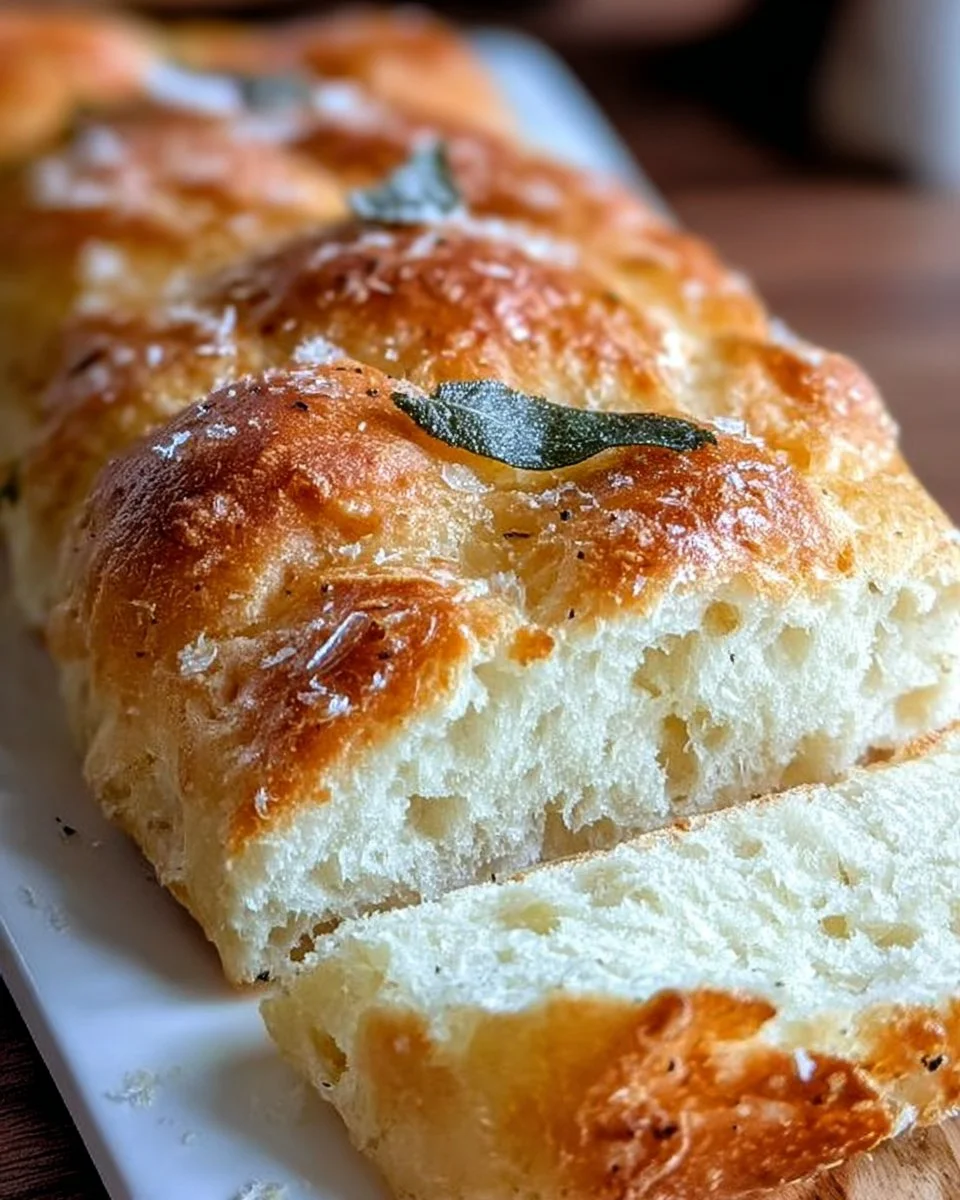
Baking crusty Italian bread fills the kitchen with an aroma so inviting that it can transport you to a quaint bakery in the heart of Italy. As the dough rises, the air thickens with the scent of yeast and flour, hinting at the culinary magic about to unfold. The moment you break open that golden-brown crust reveals a soft, pillowy interior, with steam escaping in tantalizing wisps. You can almost taste the love and tradition kneaded into every loaf, infused with the essence of sun-kissed fields of wheat and generations of Italian bakers who have perfected this staple.
Imagine slicing into a freshly baked loaf. The satisfying crunch of the crust contrasts delightfully with the tender, airy crumb inside. Each bite envelopes you in a warm embrace, delivering a robust flavor that sings of olive oil, ripe tomatoes, and fragrant herbs. You can’t help but smile as the bread beckons you to dip it into velvety balsamic vinegar or to slather it with rich butter. Truly, crusty Italian bread is more than just a loaf; it’s an experience that beckons you to gather around a table with family and friends, sharing stories and savoring every delicious moment.
Why You’ll Love This Crusty Italian Bread
This crusty Italian bread stands out for more than just its golden exterior. With its rustic charm, it serves as a perfect companion for countless meals. Imagine warm, crusty slices adorned with your favorite spreads or as the base for an exquisite bruschetta. It’s not merely the taste that you will adore; it’s also the process of creation—watching the simple ingredients transform into a beautiful, golden masterpiece.
Here are a few reasons why this recipe will become a staple in your kitchen:
- Versatility: Serve it with soups, salads, or even as a pairing with a charcuterie board. Its hearty texture complements a variety of dishes, transforming your meals into gourmet experiences.
- Memorable Occasions: Share it at family gatherings, festive celebrations, or cozy evenings at home. Nothing says warmth and welcome like the aroma of freshly baked bread.
- Satisfaction of Homemade: Nothing beats the pride that comes from crafting something so delicious from scratch. You’ll quickly become the star of your own kitchen!
Preparation Phase & Tools to Use
Before you embark on your bread-baking journey, ensure you have the right tools at your disposal. Using the proper equipment not only simplifies the process but also enhances the end result:
- Mixing Bowl: A large bowl for mixing your ingredients is essential. It gives the dough space to expand and rise beautifully.
- Measuring Cups and Spoons: Precision is key in baking. Using standard measuring tools ensures you add the right quantities of flour, salt, and yeast.
- Dough Scraper: This handy tool helps you smoothly manage the dough on a floured surface and makes transferring your dough easier.
- Baking Sheet: A heavy-duty baking sheet works best for achieving that perfect crust.
Preparation Tips:
- Warm your water to about 110°F (43°C) for ideal yeast activation without killing the yeast.
- Choose a place in your kitchen that is warm but not hot for the dough to rise; a draft-free corner works best.
Ingredients for Crusty Italian Bread
Gathering quality ingredients is crucial for perfecting your crusty Italian bread. Here’s what you’ll need:
- 1 1/2 teaspoons salt: Enhances flavor and strengthens gluten structure.
- 3 1/2 cups all-purpose flour: This serves as the base. You may substitute it with bread flour for a chewier texture.
- 1 1/2 cups warm water (about 110°F): Activates the yeast. You can use filtered water for the best flavor.
- 2 1/4 teaspoons active dry yeast: The star of the show, creating that delightful rise and texture.
How to Make Crusty Italian Bread
Mastering the art of making crusty Italian bread requires a few simple steps filled with joy and creativity:
-
Activate the Yeast: In a large bowl, combine warm water and yeast. Let it sit for about 5 minutes until it becomes frothy—this is the magic that helps your bread rise.
-
Mix Dry Ingredients: Add the flour and salt to the yeast mixture. Stir vigorously until a rough dough starts to form.
-
Knead: Transfer the dough to a floured surface and knead for about 10 minutes. Feel how the dough transforms from sticky to smooth—a tactile experience that connects you to the art of bread-making.
-
First Rise: Place the dough in a greased bowl, cover it with a cloth, and let it rise in a warm area for about 1 hour, or until it has doubled in size—this is the moment when your kitchen begins to smell wonderful.
-
Preheat Oven: Set your oven to 450°F (230°C). Preheating ensures a well-cooked crust when the bread hits the heat.
-
Shape the Dough: Gently deflate the dough and shape it into a round loaf. Place it on a baking sheet, allowing it the space to expand.
-
Second Rise: Cover the shaped loaf with a cloth and let it rest for another 30 minutes. This final rise is crucial for a nice airy texture.
-
Score: Using a sharp knife, make shallow cuts on top of the loaf. This allows steam to escape, guiding the perfect rise.
-
Bake: Slide the loaf into the oven and bake for 30-35 minutes, until the crust turns a gorgeous golden brown and sounds hollow when tapped.
-
Cool: Allow the bread to cool on a wire rack before slicing. The wait will only heighten your anticipation!
Chef’s Notes & Helpful Tips
- Make-Ahead Tips: Prepare the dough ahead of time and refrigerate it overnight after the first rise. When ready to bake, let it come to room temperature and shape it.
- Cooking Alternatives: If you have an air fryer, you can use it for smaller batches. Simply adapt the temperature and cooking time to ensure that the crust is crisp.
- Customization Ideas: Experiment with herbs like rosemary or thyme added directly into the dough for extra flavor. Olive oil or garlic can also elevate your Italian bread to new heights!
Common Mistakes to Avoid
Baking bread is as much about science as it is about art. Here are a few pitfalls to steer clear of:
-
Too Hot or Too Cold Water: Water that’s too hot can kill the yeast, while too cool may not activate it fully. Aim for that sweet 110°F temperature.
-
Under-kneading: Skipping the kneading phase weakens gluten formation, leading to dense bread. Pay attention to the dough’s texture; it should become smooth and elastic.
-
Insufficient Rise Time: Don’t rush the rising process. Allow the dough to double in size; this is what leads to a light and airy bread.
What to Serve With Crusty Italian Bread
The possibilities are endless when it comes to pairing your crusty Italian bread. Here are some delightful suggestions:
- Olive Oil and Balsamic Vinegar: A classic pairing that highlights the bread’s crust while offering a rich dipping experience.
- Bruschetta: Top your bread with a mixture of diced tomatoes, basil, and garlic for a refreshing starter.
- Soups: Serve alongside minestrone or tomato soup; the bread’s texture is perfect for soaking up all that liquid goodness.
- Charcuterie Board: Crusty Italian bread complements cured meats, cheeses, and fruits beautifully.
- Salads: A slice on the side of a mixed green salad with vinaigrette balances the flavors perfectly.
- Pasta Dishes: It makes a perfect accompaniment to a hearty pasta like spaghetti Bolognese or creamy fettuccine Alfredo.
Storage & Reheating Instructions
To maintain the crust and freshness of your Italian bread, follow these guidelines:
- Fridge: While not ideal, if you must store it in the fridge, wrap it in a damp towel to prevent it from becoming stale. Use it within a couple of days.
- Freezer: For longer-term storage, slice the bread and freeze it in an airtight bag. It will remain delicious for about three months.
- Reheating: Toast slices in a toaster or place a whole loaf in a preheated oven for a few minutes to rejuvenate those crunchy edges.
Estimated Nutrition Information
Please note that nutrition values are approximate and can vary based on specific ingredients and preparation methods:
- Calories: ~120 per slice
- Protein: ~4g
- Fat: ~1g
- Carbohydrates: ~24g
- Fiber: ~1g
FAQs
1. Can I use whole wheat flour instead of all-purpose flour?
Absolutely! Whole wheat flour adds a nutty flavor and increases the nutritional value. However, it may yield a denser loaf, so adjusting hydration may be necessary.
2. What if my dough doesn’t rise?
Check the freshness of your yeast—old yeast may not activate. Make sure your rising environment is warm and draft-free.
3. Can I add herbs or spices to the dough?
Yes! Chopped fresh herbs like rosemary or thyme can enhance the flavor. Start with about one tablespoon mixed into the dry ingredients.
4. Is it possible to make this bread vegan?
Yes, this recipe is already vegan-friendly! Check that any optional ingredients or toppings are also plant-based.
5. What should I do if my crust is too hard?
If the crust hardens, try baking at a slightly lower temperature or covering the bread with foil during the last moments of baking.
Conclusion
Are you ready to bake your way into a world of warm, enticing aromas, and satisfy that hunger for something truly special? Crafting crusty Italian bread is more than just following a recipe; it’s an exploration of flavors, textures, and joy. The next time you gather around the table, let this homemade bread be the centerpiece, sharing your culinary triumph with loved ones. You’ll create moments worth cherishing, as you savor not only the delicious bread but also the laughter and memories shared over fresh, warm slices. Embrace the journey of bread-making—your kitchen awaits!
Print
Crusty Italian Bread
- Prep Time: 15 minutes
- Cook Time: 35 minutes
- Total Time: 50 minutes
- Yield: 1 loaf 1x
- Category: Bread
- Method: Baking
- Cuisine: Italian
- Diet: Vegan
Description
A delightful recipe for crusty Italian bread with a golden-brown crust and a soft, airy interior, perfect for any meal.
Ingredients
- 3 1/2 cups all-purpose flour
- 1 1/2 teaspoons salt
- 1 1/2 cups warm water (about 110°F)
- 2 1/4 teaspoons active dry yeast
Instructions
- In a large bowl, combine warm water and yeast. Let it sit for about 5 minutes until frothy.
- Add flour and salt to the yeast mixture and stir until a rough dough forms.
- Transfer the dough to a floured surface and knead for about 10 minutes until smooth.
- Place the dough in a greased bowl, cover with a cloth, and let it rise in a warm area for 1 hour or until doubled in size.
- Preheat the oven to 450°F (230°C).
- Gently deflate the dough and shape it into a round loaf. Place it on a baking sheet.
- Cover the shaped loaf with a cloth and let it rest for another 30 minutes.
- Score the top of the loaf with a sharp knife.
- Bake for 30-35 minutes until golden brown and sounds hollow when tapped.
- Cool on a wire rack before slicing.
Notes
For added flavor, mix in herbs like rosemary or thyme. Store in the fridge wrapped in a damp towel or freeze in slices.
Nutrition
- Serving Size: 1 slice
- Calories: 120
- Sugar: 0g
- Sodium: 320mg
- Fat: 1g
- Saturated Fat: 0g
- Unsaturated Fat: 0g
- Trans Fat: 0g
- Carbohydrates: 24g
- Fiber: 1g
- Protein: 4g
- Cholesterol: 0mg